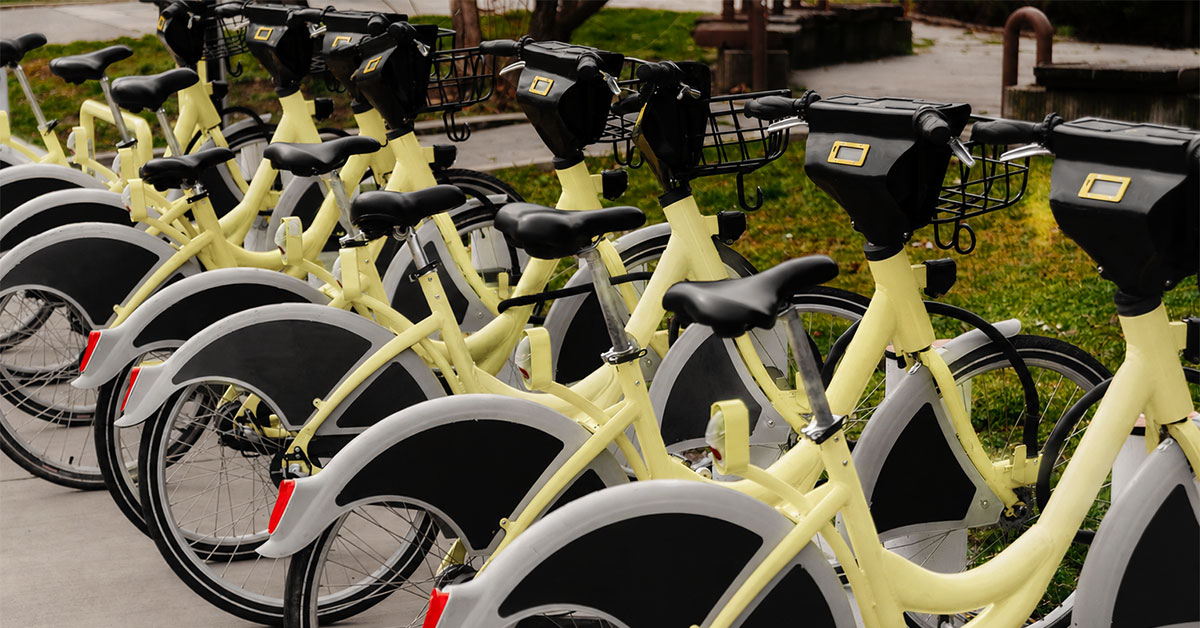
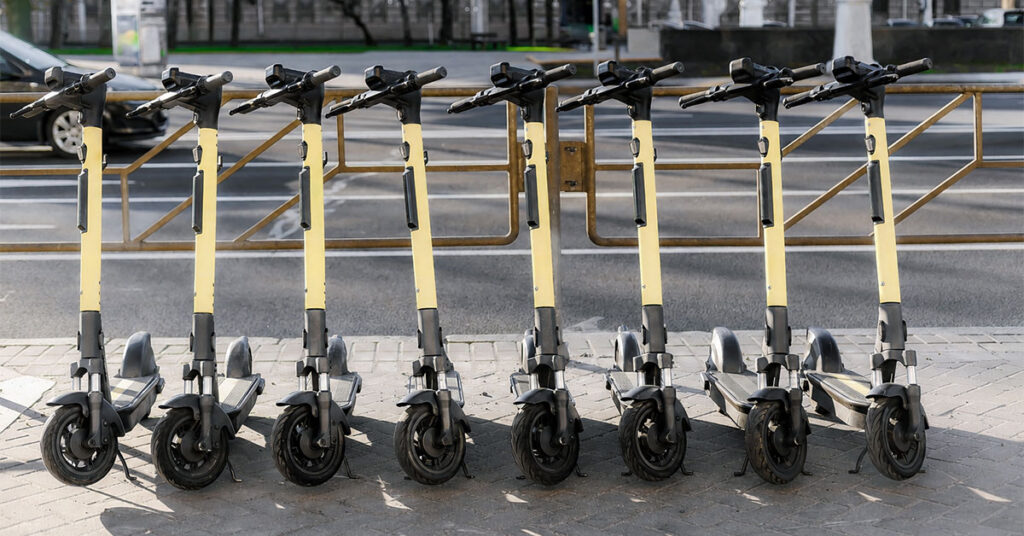
Urban micromobility, according to the current definition, includes lightweight vehicles such as bicycles, e-bikes, electric scooters and cargo bikes with a vehicle weight of less than 500 kg and a maximum speed of up to 45 km/h. These lightweight vehicles are designed for short trips and are ideal for connecting people to bus and metro stops. In recent years, micromobility has become one of the most relevant trends in the transport sector: a 2025 report estimates that the global market will reach 9.8 billion dollars, tripling the value of 2018. This growth is driven by environmental awareness, congestion in urban centers and the demand for flexible and accessible solutions.
As also highlighted by an insight from McKinsey & Company, micromobility includes lightweight vehicles such as scooters and electric bicycles and is increasingly used to cover short trips, particularly in the so-called “last mile”. This type of mobility represents an effective solution to reduce urban congestion and emissions, while improving accessibility and the overall efficiency of transport systems.
Environmental and social benefits
The introduction of urban micromobility systems brings concrete benefits. In Italy, car pooling projects have avoided more than 258 thousand cars on the road and saved hundreds of tons of CO₂, demonstrating that when shared and sustainable alternatives are offered, people willingly use them. E-bikes and scooters reduce traffic, improve air quality and allow public spaces previously used for parking to be recovered. From a social perspective, micromobility promotes an active lifestyle and allows access to urban areas where public transport is limited, supporting inclusion. For tourism, this lightweight mobility is a valuable resource: visitors can explore historic districts and natural areas with sustainable vehicles, without creating congestion or noise.
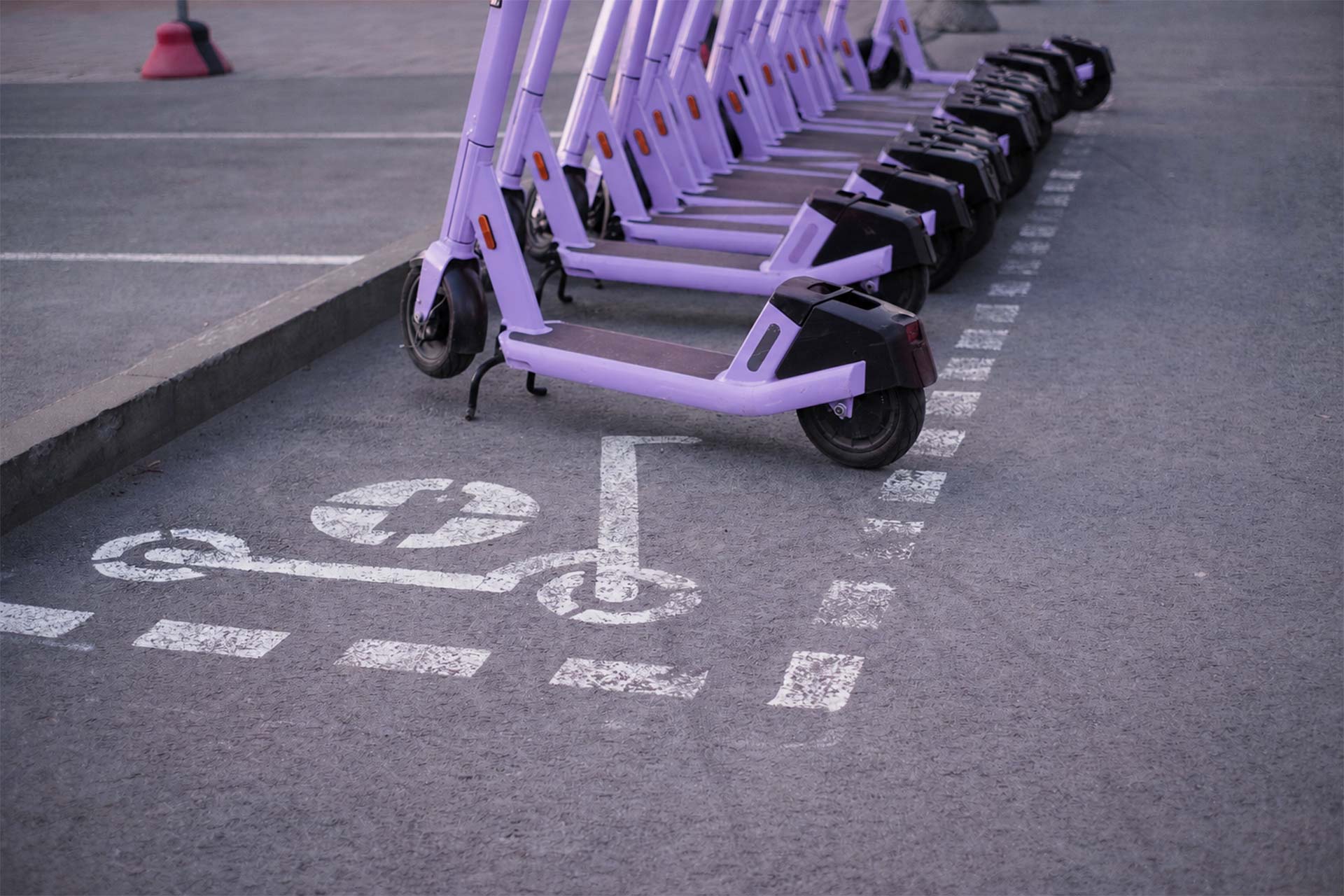
Many municipalities are investing in dedicated infrastructure, such as protected bike lanes and parking areas for scooters, to encourage safe travel. Companies can contribute by providing fleets of vehicles to employees, reducing the use of private cars.
For those managing hotels and resorts, micromobility also becomes an additional service for guests.
Find out how offering bikes and scooters directly at your property can increase guest satisfaction and open up new revenue streams by reading our article: Fleet sharing for hotels and resorts: how to offer a smart service to your guests.
Technology and safety
The foundation of an efficient urban micromobility system is technology. Modern vehicles are equipped with sensors that detect battery levels, monitor malfunctions and identify improper use. Platforms managing sharing services use artificial intelligence algorithms to reposition vehicles in high-demand areas, reducing downtime. The most advanced software solutions integrate interactive maps, secure payment systems and geofencing features to define riding and parking zones. This allows compliance with local regulations and improves urban order.
Safety is a crucial aspect. In addition to equipping scooters with reliable lights and brakes, operators must monitor usage and report dangerous behavior. In many cases, rental contracts include insurance and rules for safe use of the vehicles. As happens in electric scooter rental, discussed in the article, predictive maintenance is essential to avoid accidents and downtime. Artificial intelligence can identify vehicles that require intervention and send technicians in time.
Explore more: Electric scooter rental business: how to digitalize and automate your rental.
Integration with public mobility
For urban micromobility to work, it is essential to integrate it with public transport. Many cities have started to create intermodal parking areas where users can leave bikes or scooters and take trains or buses. Mobility apps include route planning services that suggest the most efficient combination of metro, bus and lightweight vehicles. An interesting aspect is the emergence of Mobility as a Service (MaaS), platforms that combine all services into a single app, integrating payments and allowing tickets and vehicles to be booked with one click. The standardization of APIs (MDS, GBFS) supports interoperability between different operators.
The private sector is also contributing: in many companies, employees can use internal fleets of bikes and scooters for work travel. This strategy reduces travel time and demonstrates the company’s commitment to sustainability.
Business models and opportunities
The economic success of urban micromobility depends on business models. The main approaches are free-floating sharing and station-based rental. In the first case, users can pick up and drop off the vehicle anywhere within a defined area, while in the second case there are specific docks or parking stations. Operators generate revenue through per-minute rates, subscriptions and packages. Some platforms, such as those designed for hotels and resorts, allow customers to book multiple vehicles at once and extend rental duration. Other operators offer white label services that allow local brands to customize the app with their own logo, as illustrated in our hospitality-focused article.
The choice of model must consider the urban context, population density and local mobility culture. In some areas, e-bikes may be more popular than scooters, while in others users prefer more compact vehicles. Operators must therefore conduct market analysis and dynamically plan vehicle distribution.
Integrated urban micromobility management
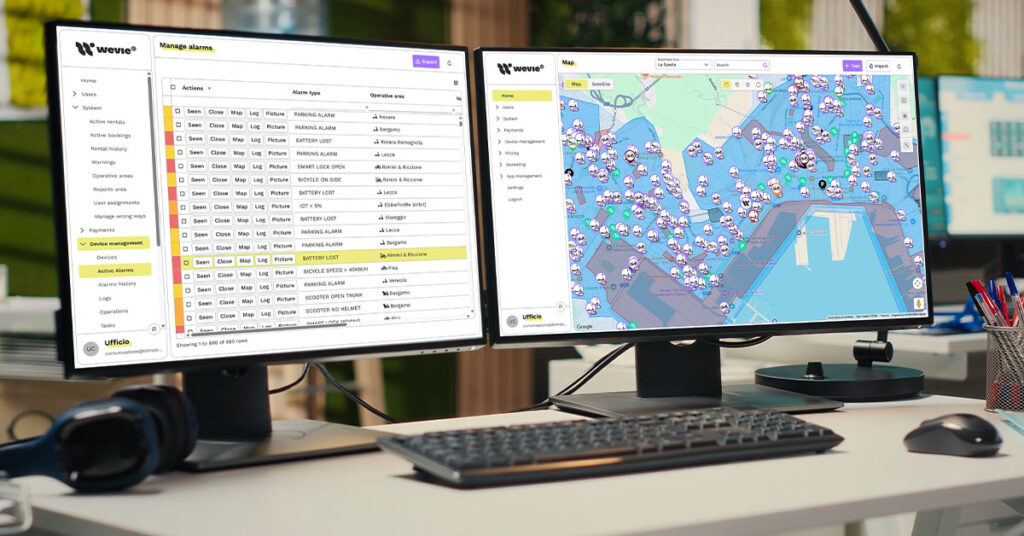
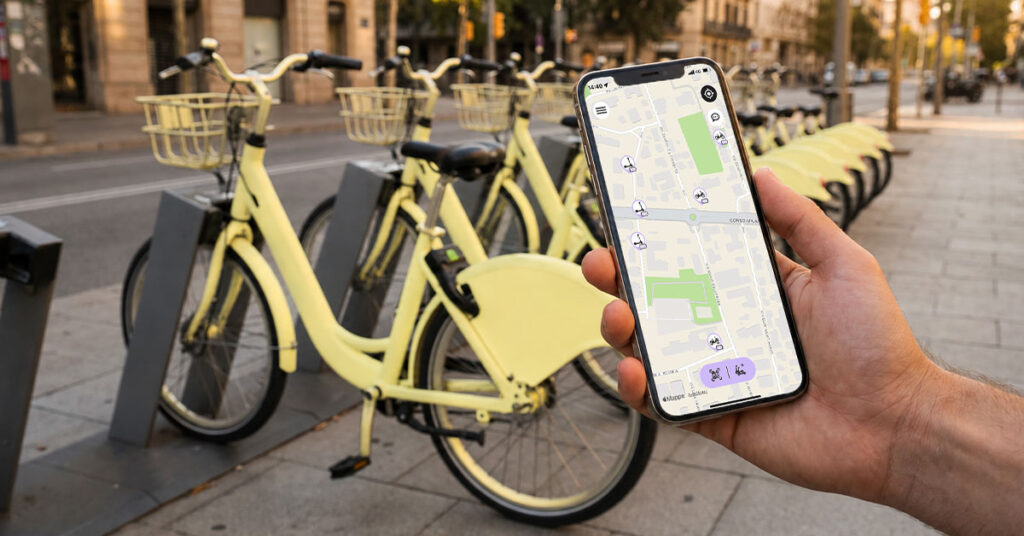
To deliver an efficient micromobility service, robust software is required. Our platform provides all the necessary features to launch and manage fleets of bikes, e-bikes, scooters and electric vehicles. The dashboard allows real-time monitoring of the location and status of each vehicle, applying geofencing to define usage areas and receiving notifications for predefined events. The customizable app allows users to find the nearest vehicle, unlock it and pay using various methods, including credit cards and digital wallets. Features such as adaptive dynamic pricing and demand forecasting help optimize revenue and reduce costs.
The platform integrates with standard APIs such as MDS and GBFS, facilitating connection with public transport networks and MaaS platforms. This makes it possible to provide a seamless experience for users and offer micromobility solutions both in urban environments and tourist facilities. The flexibility of the software also allows differentiated pricing for residents and tourists, implementation of subscriptions and the provision of analytical data to local authorities.
Request a demo to discover how our platform can support your micromobility projects.
If you want to learn more about the possibilities offered by dedicated scooter fleet management software, read our in-depth article Scooter fleet management software, which explains in detail how it works and the advantages it offers.
The city of the future is micro
Urban micromobility represents the key to making cities more livable, sustainable and inclusive. By reducing traffic and pollution, it offers fast solutions for short trips and contributes to reshaping urban environments. Thanks to advanced technologies and modern digital platforms, it is possible to manage fleets of lightweight vehicles in a safe, efficient and profitable way.